


Athleisure vs. Sportswear: Why Soccer Gear Is Built for the Field, Not the Trend Cycle
Recent post
Walk into any sporting goods store and you'll see racks of stretchy, moisture-wicking, color-coordinated gear marketed as "performance activewear." Some of it is. A lot of it is athleisure wearing a performance label. For casual gym-goers, that's fine. For a soccer player who needs to cut hard, absorb a tackle, or dive across a muddy goalmouth, the gap between the two is the difference between gear that works and gear that just looks like it should.
This isn't a knock on athleisure — it serves a real purpose. But understanding what separates fashion-driven activewear from purpose-built soccer gear helps you make smarter buying decisions, whether you're kitting out yourself or a whole team.
What Athleisure Is Actually Designed For
Athleisure's design brief is comfort first, versatility second, and performance somewhere further down the list. The goal is a piece you can wear to the gym, brunch, and back — something that looks put-together without requiring a wardrobe change. That's a legitimate product category. It's just not a soccer product category.
Athleisure fabrics tend to prioritize softness and stretch for low-impact movement: yoga, a walk, light lifting. The cuts are relaxed or fashion-forward. The colorways follow seasonal trends. And the construction is built around looking good in a mirror, not surviving a slide tackle or a two-hour training session on artificial turf.
The trend cycle is baked into the model. Athleisure brands refresh their lines seasonally the same way fashion brands do, because their customer is buying partly for style. There's nothing wrong with that — but it means the gear isn't optimized for what happens between the whistle and the final buzzer.
What "Performance-Oriented" Actually Means on a Soccer Field
Purpose-built soccer gear starts from a completely different question: what does this player's body need to do, and what could go wrong if the gear fails?
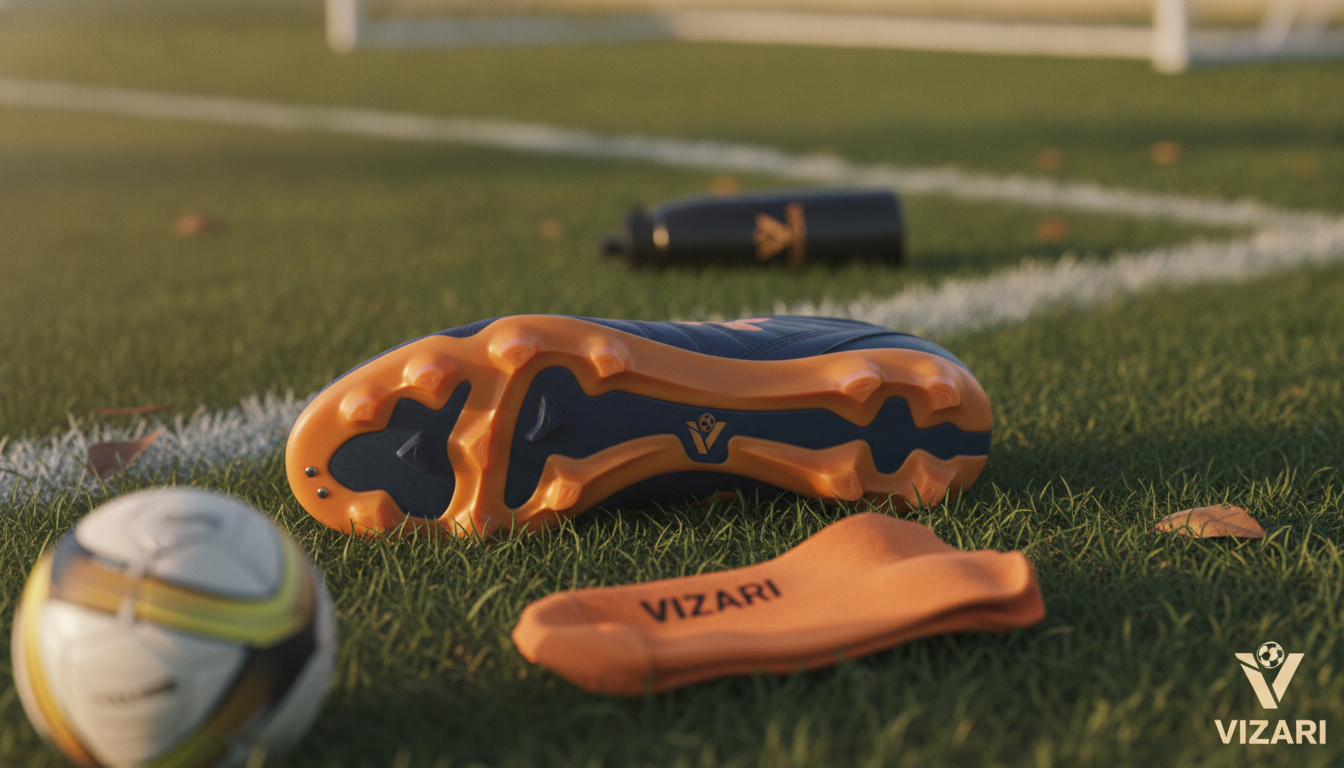
Take cleats. The sole pattern, stud shape, and upper material are all responses to specific field conditions — firm ground, soft ground, artificial turf, indoor courts. A cleat designed for firm grass has studs positioned to give traction during lateral cuts without locking the foot into the surface at the wrong moment. That's not a style decision. It's a biomechanical one. An athleisure sneaker with a grippy outsole isn't solving that problem; it's approximating it.
Shin guards are another clean example. Their job is to absorb and distribute impact from a direct strike to the tibia — one of the most exposed bones in the sport. The shell material, the backing, and the fit all affect how well they do that. A piece of activewear can look like a shin guard. It can't replace one.
Soccer apparel — jerseys, shorts, goalkeeper kits — is cut for full-range movement in explosive directions. The seam placement, fabric weight, and fit account for sprinting, jumping, and falling, not just looking streamlined on a treadmill.
The Durability Gap
Athleisure is built to look good through a reasonable number of washes and wears in controlled environments. Soccer gear has to survive grass stains, mud, repeated abrasion, UV exposure, and the kind of contact that comes with competitive play.
That durability requirement changes material choices, stitching, and construction in ways that add up over a season. A jersey that pills after a few washes, or cleats whose upper separates from the sole after a month of training, aren't just inconvenient — they're a cost that compounds. Gear built for the field is built to last through the conditions the field creates.
This is especially relevant for youth players and recreational teams, where gear gets heavy use and parents are making purchasing decisions that need to hold up for a full season, not just a few weeks.
Why the Overlap Causes Real Confusion
The two categories look similar on a hanger. Both use synthetic fabrics, both have athletic silhouettes, and both use words like "performance," "breathable," and "moisture-wicking" in their marketing. The visual overlap is real, and brands on both sides of the line lean into it.
The confusion costs players money. Someone buys a pair of "training shoes" from an athleisure brand for their kid's soccer season and discovers three weeks in that the outsole isn't built for lateral movement on turf. Or a team orders jerseys from a fashion-adjacent activewear label and finds the fabric doesn't breathe the way it needs to during a summer tournament.
The clearest filter: does the brand make soccer gear specifically, or does it make activewear that includes soccer-adjacent products? A soccer-only brand has to get the technical details right because that's all it does. A lifestyle brand making soccer cleats as one SKU in a broad catalog has different incentives.
Where Vizari Sits in This Picture
Vizari has been a soccer-specific brand since 1998 — cleats, shin guards, balls, goalkeeper gear, and soccer apparel, nothing else. The product decisions are driven by what players at every level actually need on the field, not by what's trending in activewear this season. That focus is what makes it possible to offer performance-oriented gear at prices that work for youth players, recreational teams, and families who need durable equipment without a premium brand markup.
The goal has always been straightforward: gear that performs when it matters, holds up through a season, and doesn't require a second mortgage. That's a different design brief than athleisure, and it shows in how the products are built.
If you're shopping for actual soccer — training sessions, league games, tournaments — you want gear that was designed with those conditions in mind from the start. See Vizari's full soccer gear range at vizari.com and find what you need for the field, not just the look.
Frequently Asked Questions
Can I wear athleisure clothing to play recreational soccer?
For very casual kickarounds, athleisure can work in a pinch — but it's not built for the lateral cuts, contact, and field conditions that come with actual play. You'll notice the difference in fit, durability, and comfort fairly quickly, especially if you're playing regularly.
What makes soccer cleats different from regular athletic shoes?
Soccer cleats have stud configurations specifically designed to provide traction during the lateral, explosive movements the sport demands — cutting, accelerating, and changing direction on grass or turf. Regular athletic shoes or athleisure sneakers don't replicate that, and using them on a soccer field can affect both performance and ankle stability.
Do youth players really need purpose-built soccer gear, or will general sportswear do?
For youth players in organized leagues, purpose-built gear matters — especially cleats and shin guards, which are often required by league rules and exist to protect developing athletes. Soccer-specific gear is also sized and constructed with younger players' movement patterns in mind, which general sportswear isn't.
How do I know if a brand is genuinely soccer-focused or just selling soccer-adjacent activewear?
Look at the brand's full product range. A soccer-specific brand's entire catalog — cleats, shin guards, goalkeeper gloves, balls, apparel — is built around soccer. If soccer gear is one small section of a much broader activewear or lifestyle catalog, the technical depth behind those products is likely shallower. A brand that only does soccer has to get the details right.
Related News

How to Size Indoor Soccer Shoes for Kids Who Are Between Sizes (And Why Getting It Wrong Hurts Their Game)
The "Buy a Size Up" Habit Is Costing Your Kid on the Court
Every soccer parent has done it. Your...

Turf Shoes vs. Indoor Soccer Shoes: How to Pick the Right Pair for the Surface You're Actually Playing On
Every season, players show up to their first futsal session in turf shoes — or hit an artificial...

How to Gift a Full Soccer Kit for the Holidays (Without Getting the Sizes Wrong)
You know they love soccer. You want to get them something they'll actually use. But standing in ...

How to Build a Sustainable Youth Soccer Kit: Buy Less, Buy Right, Make It Last
The Real Reason You're Buying Cleats Twice a Season
Most parents don't replace youth soccer clea...

Shin Guards That Don't Slip, Overheat, or Fall Apart Mid-Game: What to Actually Look For
You've been there: forty minutes into a match, your shin guard has rotated sideways, the sleeve ...

Can You Use Soccer Cleats for Running? Here's What Coaches and Parents Need to Know
The question every soccer parent asks eventually
Your kid just finished a season, the cleats are...